Posted by Chris Blair 03/20/2026
What is the Nature of Miracles?
The air is electric as the next ball drops: Forty-three! Just one more matching number and you are the winner of a $475,000,000 jackpot. As the final ball falls into place, your family erupts, screaming and jumping on the couch. You’ve just won. It feels like a miracle—but is it?
What exactly is a miracle? Gould, Dickinson, and Loftin define a true miracle as “an event performed by God, beyond the ability of the natural order (i.e., supernaturally).”[1] By this definition, a miracle is not merely a matter of extreme improbability, like winning the lottery. It is logical to assume that God allows natural laws to run their course in most instances, as He has “…established my covenant with day and night and the fixed order of heaven and earth…” (Jeremiah 33:25, English Standard Version). God created this fixed order, which we then use theology and science to decipher as “natural laws.” True miracles are direct interventions by God that produce effects beyond what scientific observation can explain.
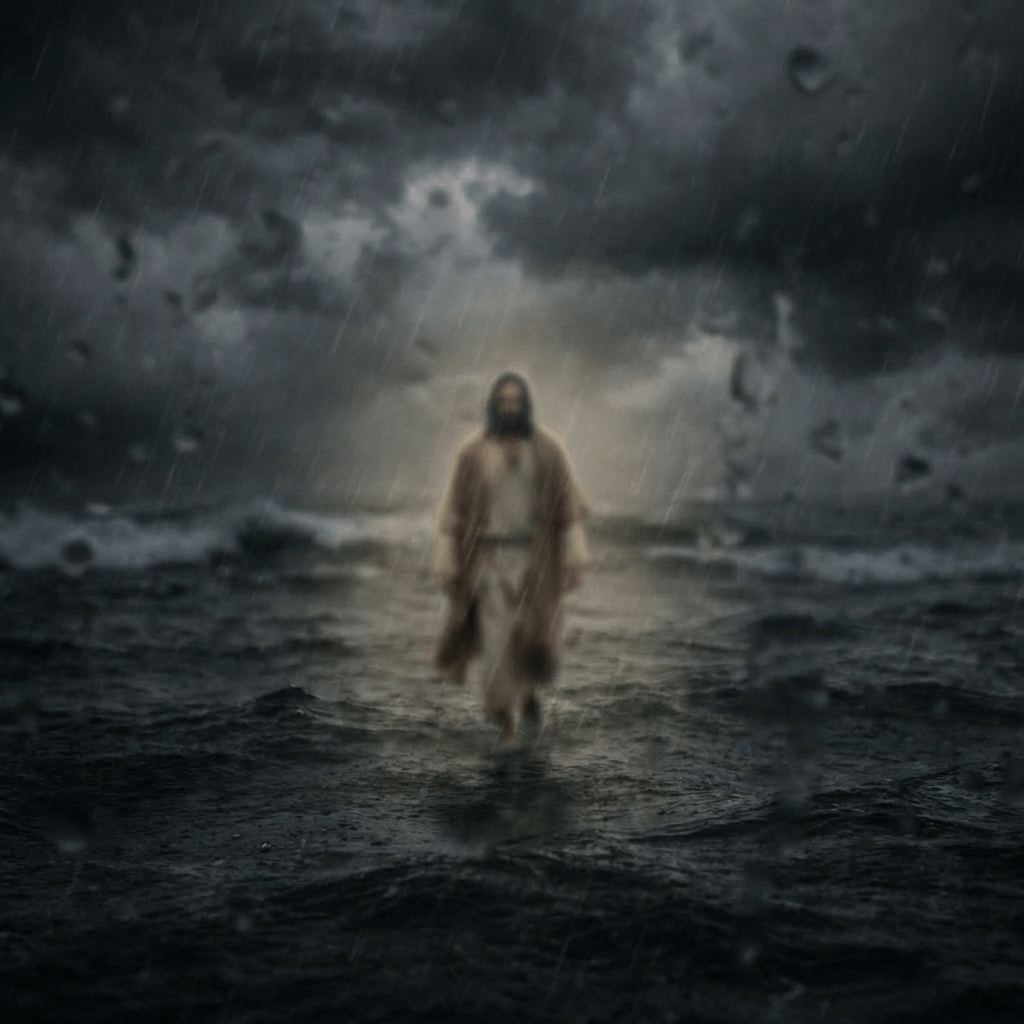
Christianity hinges on the validity of such miracles. As Paul states, “if Christ has not been raised, then our preaching is in vain and your faith is in vain” (1 Corinthians 15:14, ESV). For the believer, the historical truth of the miraculous is paramount. Consider the biblical record: Jesus turns water into wine (John 2:9, ESV). There is no known natural law that transforms water into the complex arrangement of ethanol, fructose, and organic compounds found in wine. Jesus walks on water (Matthew 14:25, ESV), despite the known laws of surface tension. Finally, Jesus rose from the dead (Matthew 28:6, ESV). Medical data confirms that after mere minutes without oxygen, the human brain suffers irreversible damage, leading to total organ failure.
Norman Geisler reminds us that science, by definition, is the study of repeatable events, it offers little help in analyzing these singular, supernatural interventions.[2] The idea that science and miracles are in conflict is fiction. To claim that natural laws are “immutable”—meaning they can never be paused or bypassed—is intellectually dishonest, as no human knows the full extent of all natural laws. Our scientific understanding changes constantly; every answered question births three new ones. One cannot claim a law is unbreakable without knowing every law in existence and every instance in which they have been applied. Thus, the consistency of nature is not a counter-argument to miracles, but rather a testament to the order God has given His creation.
The resurrection of Jesus remains credible through the lived experiences of eyewitnesses. As Richard Swinburne notes, “The existence of detailed historical evidence for the occurrence of violations of natural laws of a kind which God… would have had reason to bring about is itself evidence for the existence of God.”[3] The New Testament reveals that these accounts were provided by people of high moral character whose claims could have been easily refuted by contemporary skeptics. Instead, these witnesses often faced agonizing deaths, refusing to recant what they had personally seen, touched, and heard.
[1] Paul M. Gould, R. Keith Loftin, and Travis Dickinson, Stand Firm: Apologetics and the Brilliance of the Gospel (Nashville, Tennessee: B & H Academic, 2018), 55.
[2] Norman Geisler, “Miracles and Modern Scientific Thought,” in Christian Apologetics: An Anthology of Primary Sources, ed. Khaldoun A. Sweis and Chad V. Meister (Grand Rapids, MI: Zondervan, 2012), 323
[3] Richard Swinburne, “A Case for Miracles,” in Christian Apologetics: An Anthology of Primary Sources, ed. Khaldoun A. Sweis and Chad V. Meister (Grand Rapids, MI: Zondervan, 2012), 330.
 BlairBibleBlog.org